
Stemming The Tide Of Wildlife Declines
January 7, 2026
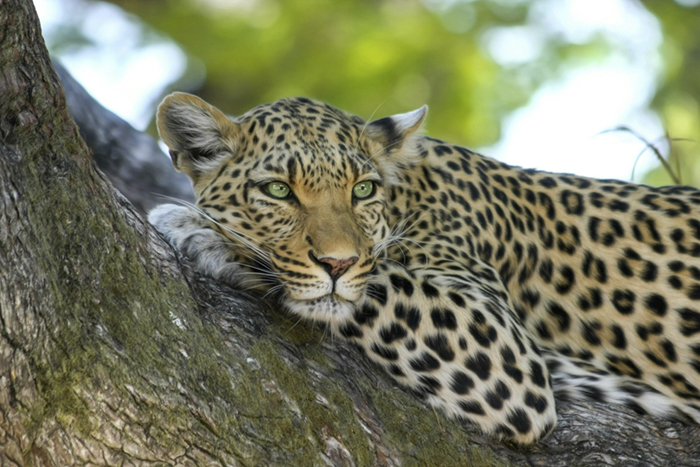
Dear EarthTalk: A recent study from WWF says that wildlife populations have declined 73% around the world in the last 50 years… What can we do to stem this tide and prevent widespread extinction of wildlife species?
—Maureen O’Malley, Pittsburgh, PA
Wildlife populations have plummeted at an alarming rate over the past half-century. According to the 2024 World Wildlife Fund (WWF) Living Planet Report, global wildlife populations have declined by 73% in the last 50 years. This staggering loss in population can be attributed to multiple human activities such as habitat destruction, pollution, climate change, and overexploitation.
“The current extinction crisis is entirely of our own making…[our activities] have pushed nature to the brink,” reports the Center for Biological Diversity. Protecting our wildlife is essential not only for ecological balance but also for human survival, as biodiversity plays a critical role in ecosystem stability and food security. The WWF report warns that “the catastrophic consequences of losing some of our most precious ecosystems…would be felt by people and nature around the world.”
To prevent further wildlife decline, conservation strategies must focus on habitat protection and restoration. Reforestation projects and conservation zones, which are areas of protected land, are effective measures in preserving biodiversity. Addressing climate change through reduced carbon emissions and clean energy practices will mitigate the crisis of wildlife decline. Combating overfishing, illegal poaching, and deforestation can aid in the protection of endangered species. Advocacy is also a major aspect of the solution, with governments and environmental groups playing a crucial role in enforcing wildlife protection laws and engaging local communities to take part in efforts.
Despite these strategies, challenges remain when it comes to addressing extinction prevention. Engaging the public and ensuring the widespread implementation of conservation policies can be a grueling task that takes time. “Local communities play a vital role in the fight against wildlife crime,” reports the World Bank Group, an international financial institution combatting poverty through sustainable ways, “However, engaging communities to support wildlife conservation activities is often challenging and in most cases, takes a long time.”
That being said, individuals can also significantly contribute to wildlife conservation. We can directly impact conservation work by supporting organizations like the WWF and the International Union for Conservation of Nature (IUCN) through volunteer efforts, advocacy, and donations. Reducing personal carbon footprints by opting for sustainable transportation and cutting back on energy usage are also ways to help. Another simple way to help is by avoiding products linked to deforestation, such as palm oil, a major driver of deforestation as palm plantations require the clearance of large land areas. These simple actions and changes to our daily lives can profoundly impact conservation.
Ultimately, this massive decline in wildlife populations is an urgent crisis that requires global and individual efforts. The government, conservation organizations, and individuals must work together to protect ecosystems, restore habitats, and address the root causes of this issue. By doing so, we can ensure a bright future for all. As the National Wildlife Federation president, Collin O’Mara, said, “Inaction is the ally of extinction, and the time to act is now.”
CONTACTS
International Union for Conservation of Nature
EarthTalk® is produced by Roddy Scheer & Doug Moss for the 501(c)3 nonprofit EarthTalk. See more at https://emagazine.com. To donate, visit https://earthtalk.org. Send questions to: question@earthtalk.org.