
Legislators hosts ‘candy election’ at State House
Learning about ranked-choice voting has never been more delicious.
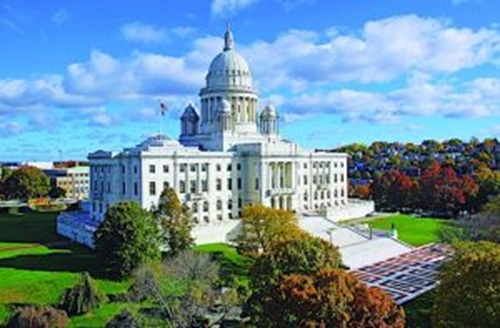
STATE HOUSE – With a nod to the upcoming Valentine’s Day, Rep. Rebecca Kislak, Rep. Jennifer A. Stewart, Sen. Meghan E. Kallman, Sen. Samuel D. Zurier and Ocean State Ranked Choice Voting are hosting a candy election to demonstrate ranked-choice voting in a delicious and informative way.
In-person voting — along with samples of the candidates, to promote an informed electorate — will be available near the entrances of the House and Senate chambers at the State HouseTuesday, Feb. 10, from 3 p.m. to 4:30 p.m. Early voting has already opened online and will continue until 10 p.m. Feb. 11.
Ranked-choice voting, also called instant run-off voting, allows voters to rank the candidates in order of preference in races when there are more than two candidates. The votes are tabulated in rounds, with the lowest-ranked candidates eliminated in each round until there are only two candidates left. The one who is determined to have received the majority of the votes in the final round is declared the winner.
This is the third-year proponents of ranked-choice voting have held this election. Due to term limits and to keep the race competitive, they offer different candidates each time. This year’s delicious contenders include Ghiradelli Dark Strawberry Squares, Conversation Hearts, Haribo Sour Hearts, Nerds Gummy Clusters and Russell Stover Sugar Free Chocolates.
When the poll closes, the votes will be tallied nearly instantly using an online tool in up to four rounds, with the lowest-ranked candy in each round eliminated, until one has won with more than 50% of the vote. Results will be posted at this link.
Proponents of ranked-choice voting point to its elimination of “spoiler” candidates or vote-splitting — situations where two or more candidates who appeal to a group of like-minded voters split that group’s votes, enabling the victory of a different candidate, even if that candidate does not win a majority.
The advantage to voters, according to FairVote, a national organization dedicated to advancing ranked-choice voting, is that “voters can sincerely rank candidates in order of preference. Voters know that if their first choice doesn’t win, their vote automatically counts for their next choice instead. This frees voters from worrying about how others will vote and which candidates are more or less likely to win.” There is also research suggesting ranked-choice voting results in more civil campaigns and less negative campaigning.
The legislators will be introducing two bills: one to institute ranked-choice voting for presidential preference primaries beginning with the 2028 presidential election, and another to allow municipalities to use it for local elections.

Maine and Alaska have instituted rank-choice voting statewide, and 35 cities and three counties around the country employ it for local elections. Six municipalities in Massachusetts have approved it for local elections.