
Overfishing Affecting Evolution Of Marine Life
Dear EarthTalk: Is overfishing affecting the evolution of marine life? —Katy, Y., Falmouth, MA
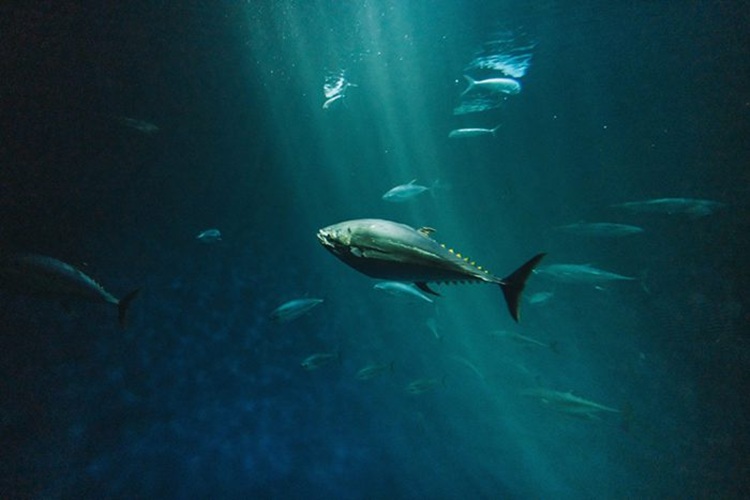
Overfishing happens when fish are caught faster than they can be replenished, resulting in an overall depletion of the fish population. This not only poses a threat to ocean health and biodiversity but also to the well-being of the people and communities that rely on fishing. A lesser-known consequence of overfishing is a phenomenon known as Fisheries-Induced Evolution (FIE).
FIE refers to the evolutionary pressure on marine populations resulting from excessively high fishing levels. Despite the deep-rooted assumption that evolution occurs over millions of years, FIE suggests that the gene pool of organisms can change in just a few decades. In fact, a recent study published in Science found that the average length of mature Eastern Baltic cod roughly halved from 40 cm in 1996 to 20 cm in 2019, suggesting that genetic changes have occurred over approximately 20 years. “When the largest individuals are consistently removed from the population over many years, smaller, faster-maturing fish gain an evolutionary advantage,” says Professor Thorsten Reusch, senior author of the research and lead researcher in the marine ecology research division at the Geomar Helmholtz Centre.
Marine populations are particularly vulnerable to FIE due to the aggressive nature of exploitative fishing practices. Trophy hunting and trawling often target the largest and fittest specimens, impacting the long-term health of the population. Over time, this shifts the species’ traits toward early maturation and reduced size, skewing the gene pool and thus accelerating genetic evolution.
The legitimacy of FIE is being widely contested in the scientific community, as not all scientists assign the same weight to overfishing in these genetic changes. Some researchers claim that it is unclear whether evolution occurs solely from human-driven pressures or an indirect effect due to changes in the environment. A Rutgers University study found no strong correlation between overfishing and the Atlantic codfish population. The findings suggest that environmental stressors, like climate change, pollution and habitat loss, may exert greater influence on the evolutionary changes of marine organisms than overfishing alone. Yet one fact holds: Fish are removed from oceans beyond sustainable levels. This alone bends the course of evolution—if not alone, then as a co-actor with the climate and pollutants.
Since human activity accelerates these harms, our collective action can also reverse these trends. Governments can enforce regulations like lowering fishing quotas and limiting destructive practices. Citizens can choose sustainably sourced seafood and supporting marine conservation organizations.
CONTACTS
Genomic evidence for fisheries-induced evolution in Eastern Baltic cod
Overfishing of Atlantic Cod Likely Did Not Cause Genetic Change
EarthTalk® is produced by Roddy Scheer & Doug Moss for the 501(c)3 nonprofit EarthTalk. See more at https://emagazine.com. To donate, visit https://earthtalk.org. Send questions to: question@earthtalk.org.