
Is Megadrought In The American West The New Normal?
June 27, 2026
Dear EarthTalk: Is the megadrought in the American West a new normal or just an anomaly? If the former, how should we be adjusting our lifestyles accordingly?
—J.G., via email
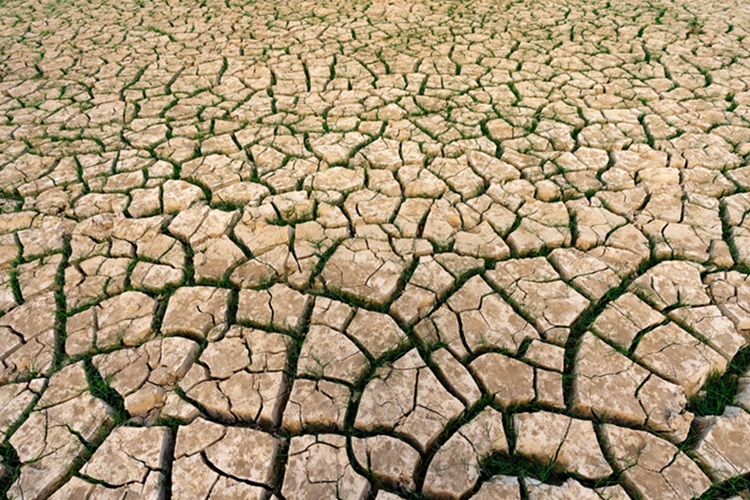
Research at The University of Texas shows that dry spells can be seen throughout our planet’s history, when warm waters directed storms away from the West during periods of high temperatures. However, with climate change worsening, scientists warn that this pattern, that would have ebbed and flowed in the past, will now be last longer. Furthermore, conditions are worsening each year, especially as we use more and more water for new industries. Professor Jay Famiglietti, who teaches at Arizona State’s School of Sustainability, noted that “in many areas, groundwater pumping is already the only lifeline—and it’s a ticking time bomb.” The megadrought may well extend as long as humans continue to warm the planet.
A crucial example of this is the Colorado Water Basin, which provides natural resources to seven basin states. Amy Haas, Executive Director of the Colorado River Authority of Utah says: “What I think we’re seeing on the Colorado River is more in line with what we’ve coined ‘aridification,’” the process by which a climate becomes increasingly dry. Just this century, the Basins’ natural flow has dropped 13 percent, posing big risks to this region, since so many communities rely on the water that this basin provides.
It is important that we take action on not only an individual level, but in how we approach water use, climate mitigation and sustainability. Already, farmers are looking at ways to save water through planting crops that can thrive in drier climates. There have also been agreements made to reduce water use, but further policy changes are needed to actually make a difference.
In daily life, particularly if you live in an area that faces these issues, taking steps such as fixing leaky faucets or creating a water smart yard can help control wastefulness. For instance, did you know that every year, the average household leaks 38,000 liters of water? Fixing these small issues can save you money as well as conserve water. For your lawn, incorporate more plants that are drought resistant, and install drip systems instead of using sprinklers. Another way you could cut back on water would be switching up your routine to take a 5-minute shower—it could save more than 100 liters. Lastly, either reduce the number of times you do laundry, or update your machine so it is more efficient, which could use only 50 liters per cycle instead of over 100. These small changes, as well as spreading awareness among your community, are needed if we are to adjust to the megadrought that may never end.
EarthTalk® is produced by Roddy Scheer & Doug Moss for the 501(c)3 nonprofit EarthTalk. See more at https://emagazine.com. To donate, visit https://earthtalk.org. Send questions to: question@earthtalk.org.